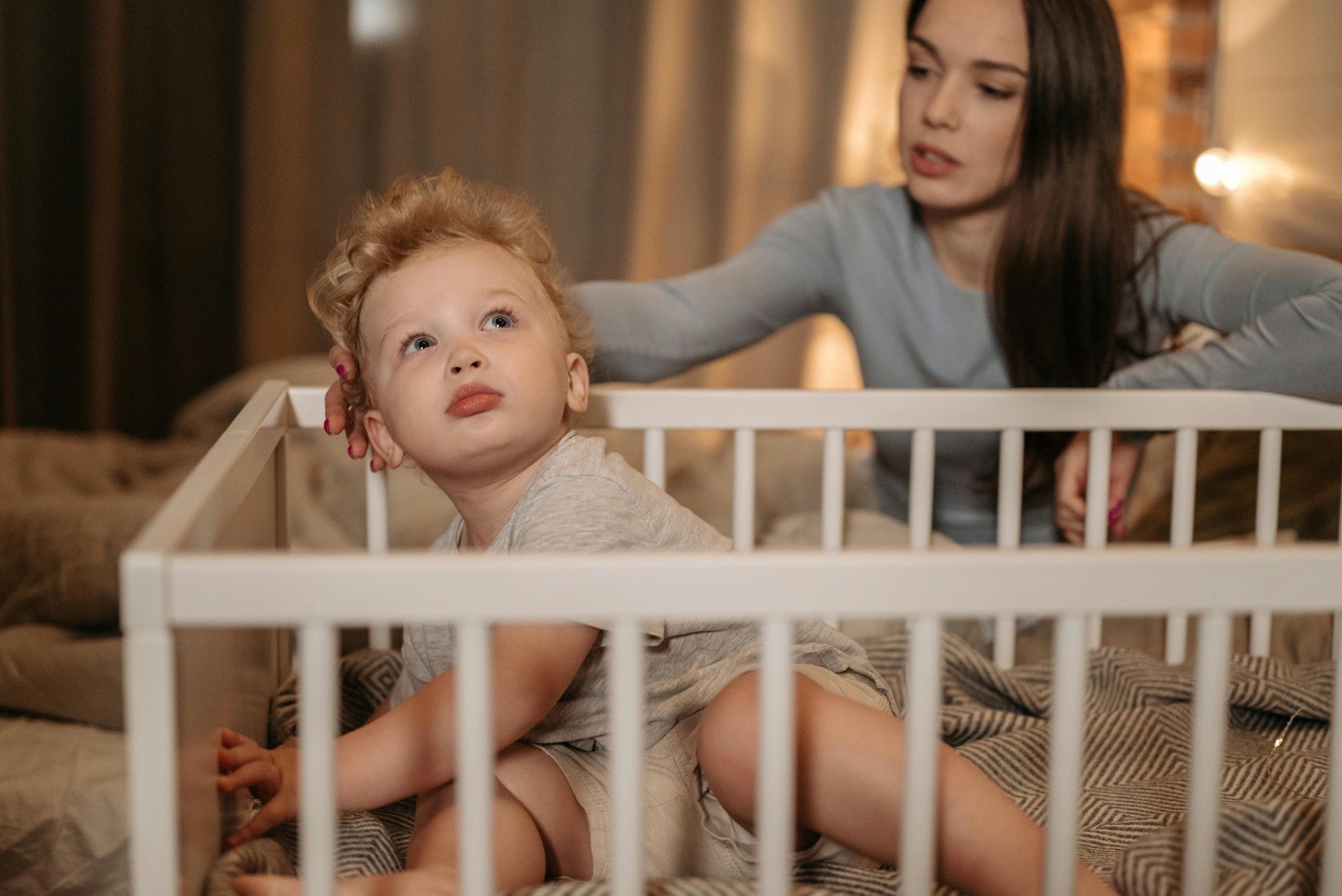
Toddler Bedtime Battles: Understanding Why Your Child Resists Sleep

Toddler bedtime battles are one of the most common and exhausting challenges for parents. If your child resists bedtime, delays sleep, or melts down as soon as they see their pajamas, you are not alone.
The good news? Bedtime resistance is rarely about defiance. Most often, it’s a sign your toddler is overtired, overstimulated, or unsure of bedtime expectations.
Sleep expert Claudine Gillard of Sweet Dreams Sleep Coaching explains:
“When toddlers resist bedtime, it’s often because bedtime feels unpredictable or emotionally charged. Clear routines and calm, consistent parental direction can change everything.”
Understanding the reasons behind bedtime battles is the first step toward calmer evenings and better sleep for the whole family.
Why Toddlers Resist Bedtime
Toddlers between 18 months and 4 years undergo massive developmental changes that directly impact sleep.
1. Bedtime is Too Late (Overtiredness)
One of the most common causes of bedtime resistance is overtiredness.
When toddlers stay awake too long, their bodies release cortisol and adrenaline, making it harder to fall asleep. Signs include:
-
Hyperactivity before bed
-
Running, jumping, or silliness
-
Meltdowns or tantrums
-
“Second wind” behavior
Claudine notes:
“An overtired toddler will fight sleep the hardest. Parents often assume their child isn’t tired — when in reality, they’re overtired.”
Solution: Earlier bedtimes often resolve battles faster than pushing bedtime later.

2. Inconsistent Bedtime Routines
Toddlers thrive on predictability. Inconsistent routines — like varying instructions from different caregivers — create uncertainty and anxiety.
Common effects include:
-
Stalling tactics (“one more book”)
-
Increased bedtime anxiety
-
Power struggles
Solution: Establish a clear, predictable routine every night to cue your toddler that bedtime is safe and consistent.
3. Too Much Stimulation Before Bed
Active play, screens, and bright lights before bed can suppress melatonin, delaying sleep onset.
Triggers include:
-
TV or tablet use
-
Loud toys or active play
-
Bright ceiling lights
-
Busy or rushed evenings
Solution: Reduce stimulation in the hour before bedtime with quiet activities and dim lighting.
This article explains how inconsistent routines, worries, and after-dark anxiety commonly contribute to bedtime struggles in young children.

4. Lack of Clear Boundaries
Toddlers are naturally inclined to test limits. If boundaries around bedtime are inconsistent, toddlers will push for a different outcome.
Claudine says:
“Toddlers feel safest when parents lead bedtime with calm confidence. When boundaries are unclear, bedtime becomes a battleground — and sleep suffers — for the whole family.”
Expert-Backed Strategies to End Bedtime Battles
1. Establish a Predictable 20–30 Minute Bedtime Routine
A bedtime routine should be:
-
Calm
-
Repetitive
-
Done in the same order every night
Focus on:
-
Bathing
-
Pajamas
-
Reading books in soft lighting
-
Cuddle time
-
Bed
Use this in the section about why toddlers resist bedtime and the importance of routines.
2. Set a Consistent Bedtime
Toddlers do best with bedtimes between 6:30 pm and 7:30 pm, depending on age and nap schedules.
Consistency, even on weekends, helps regulate the internal body clock and significantly reduces bedtime struggles.

3. Calm Down Time 60 Minutes Before Bed
Create a “wind-down window”:
-
Turn off screens
-
Use lamps instead of overhead lights
-
Choose quiet, soothing activities
-
Avoid rough play
This allows melatonin to rise naturally, making it easier for toddlers to fall asleep.
4. Respond Calmly and Confidently
Avoid emotional reactions, negotiations, or over-explaining.
Instead:
-
Keep language minimal
-
Stay calm and predictable
-
Model confidence
Claudine explains:
“Calm, boring responses reduce bedtime battles far faster than lengthy explanations or emotional reactions.”
When Bedtime Battles Signal a Bigger Sleep Issue
If bedtime resistance is paired with:
-
Frequent night wakings
-
Early morning wakeups
-
Short or skipped naps
-
Crib climbing or leaving the room
…it may indicate a sleep foundation issue rather than just a routine problem.
Free 30-Minute Sleep Consultation for Parents
If your toddler is:
-
Resisting bedtime nightly
-
Taking over an hour to fall asleep
-
Melting down every evening
-
Leaving their room repeatedly
Don’t struggle alone. We offer a FREE 30-minute sleep consultation to help parents identify the root cause and create an age-appropriate sleep plan.
For more tips, check the Sweet Dreams Sleep Blog for expert advice and resources.