As soon as December 1st appears, many people enter “Christmas Mode”. Excitement builds for the festive period; there are parties to attend, activities to take part in, children getting more and more giddy at the thought of Christmas gifts and a cheery atmosphere.
On the other hand, this time of year can bring a lot of stress with it. Money worries, organisational stress, travel commitments, spending time with family or simply not feeling all that “Christmassy”. Many of us feel a mix of these emotions leading up to Christmas, all of which can have a negative effect on your sleep.
If your sleep is affected, then this can make any stresses that you have feel more stressful, meaning more detriment to your sleep. Can you see how this could become a vicious cycle?
So, how can you make sure that you are sleeping well in the run-up to Christmas?
Make time for sleep
You might have a list as long as your arm of things that you need to get done in the lead-up to the big day, but without enough quality sleep, you won’t be in the best place to actually get it all done!
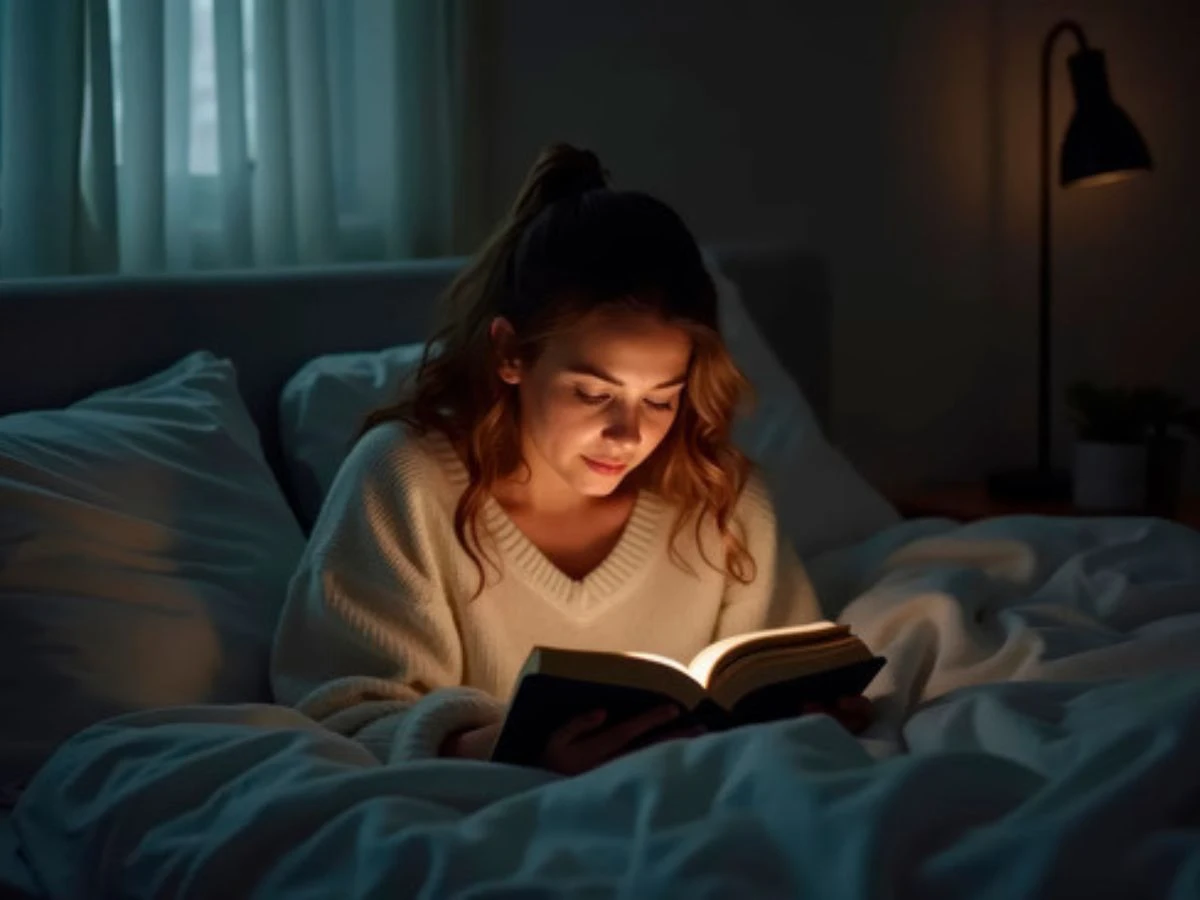
My tip is to keep to your bedtime routine. When it comes to sleep, it’s crucial to have a routine and (even more so) stick to it! You’re supposed to go to bed and wake up at around the same time every day, but when you have an erratic sleep schedule, it can confuse your internal clock (circadian rhythm) and lead to sleep disorders. Make sure that you give yourself the time to wind down, relax and look forward to a good night’s sleep!
If you’re struggling to fall asleep, or wake up during the night, don’t try and force yourself. If you’re laying there awake, tossing and turning, for over 20-30 minutes, it might be worth you getting up and occupying your mind with something else until you feel sleepy again (but make sure to stay off of your smartphone!).
Keep your regular daytime routine
If you exercise throughout the year, make sure to keep it as part of your daily routine. We all know that exercise is good for your physical health, but remember that it’s also great for your mental health and for your sleep.
If the weather is good, get outside for your exercise! Natural light helps to regulate your body clock, meaning that you feel awake in the daytime and get sleepier as night falls. Walk the dog, let the kids run off some steam, go for a family walk – sleep absolutely loves routine and having one in place is crucial for both adults and children.

Keep the naps short (sleep when you’re tired)
It’s inevitable. Multiple late nights in a row for parties and festivities (and late-night present wrapping) can mean that you feel the need for an afternoon nap. If you feel drowsy in the afternoon, try to avoid long naps and instead opt for a short 20 minutes.
Don’t ignore your body’s sleep cues, during the day or in the evening. If you feel like you need to nap, don’t push through. If you feel sleepy early in the evening, go to sleep – regardless of the time! The festive period can be exhausting, trying to stay awake or party through if you’re already deprived can make the situation worse.
Listen to your body when it tells you that you need more sleep. If you’re waking up exhausted over the Christmas period, then you’re not getting enough sleep and this is probably going to impact how you enjoy the festivities.
On the other hand, if you feel awake and function well during the day and don’t feel as if you need to nap, you’re probably getting enough sleep.
Try not to overindulge
This one might be easier said than done, but what you eat and drink can have a huge effect on your sleep. A meal too close to bedtime may sit heavy on your stomach, making you less comfortable. Digesting food raises your body temperature, yet your body needs to drop in temperature to sleep well at night. If you get hungry close to bedtime, opt for a small plain snack instead.
Alcohol has a negative effect on sleep. You can read more about the impact of alcohol on your sleep here. You might also want to keep your caffeine intake in check. Avoid drinking caffeinated drinks after 3-4pm.
Drinking too much of anything can lead to disturbed sleep. At a simple level drinks are liable to cause more awakenings because of the need to go to the toilet during the night. It’s a good idea to restrict your fluid intake about an hour before bedtime and then make sure that you empty your bladder one last time before switching the light out.
Use sleep to regulate your mood
Getting enough sleep is especially important at Christmas for:
- Helping you control your emotions, including stress
- Making you feel more positive, allowing for you to spread more festive cheer
- Helping you to support your children and keep them excited for the big day!
- Moderating your appetite and your craving for sugary and fatty foods
If you’re struggling with your sleep over the festive period, please remember that you’re not alone. Reach out on my social media, I would love to be able to help you have the best Christmas yet!