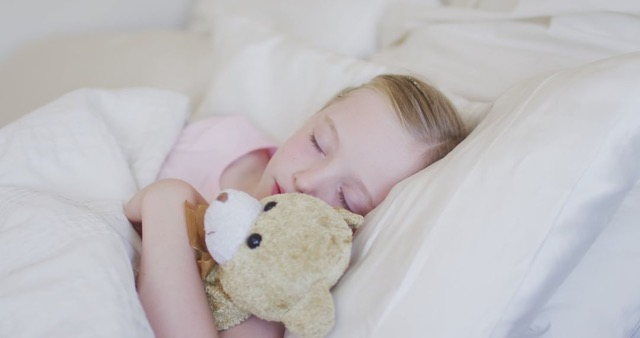
As parents, we worry about many things; healthy diets, screen time, friendships and fallouts, and performance at school. But one of the most overlooked pillars of a child’s long-term wellbeing is also one of the most basic: sleep.
Emerging research suggests that chronic lack of sleep in childhood may increase the risk of mental-health challenges later in life, this can vary from focus through to psychosis. While this research shouldn’t terrify parents that a tired child is destined for psychiatric illness, what is valuable is to highlight how profoundly sleep shapes the developing brain and how healthy sleep habits can support emotional resilience into adulthood.
Why sleep is a building block for the developing brain
During childhood and adolescence, the brain is undergoing rapid growth and restructuring. Sleep fuels this process by supporting:
- Memory consolidation
- Emotional regulation
- Cognitive development
- Hormonal balance
- Neural growth
When children miss out on restorative sleep consistently, these processes can be disrupted. Over time, this may contribute to difficulties with mood, attention, and how they manage stress. As a parent of a neurodivergent child myself, I see this first-hand.
The link between childhood sleep loss and adult psychosis: What we’re learning
Researchers studying long-term mental-health outcomes have found associations between persistent sleep problems in childhood and increased risk of psychotic-like experiences in adolescence and adulthood.
“It’s entirely normal for children to suffer from sleep problems at different points in their childhood, but it’s also important to know when it might be time to seek help” said Isabel Morales-Munoz, PhD, in a recent press release on the subject. As an assistant professor in psychology at the university of Birmingham, UK, Morales-Munoz continued “Sometimes sleep can become a persistent and chronic problem, and this is where we see links with psychiatry illness in adulthood”.
Experiences can include:
- Difficulty distinguishing between dreams and reality
- Heightened paranoia or suspiciousness
- Unusual sensory perceptions
It’s important to emphasize that these symptoms can occur on a spectrum and do not automatically indicate a psychotic disorder. Many factors — genetics, environment, trauma, stress — contribute to mental-health outcomes. Sleep is one piece of a much larger puzzle.
Still, the connection is strong enough that sleep is now considered a modifiable early-life factor that may help reduce vulnerability to later mental-health challenges.

Why sleep deprivation might influence psychosis risk
Scientists propose several explanations for this link:
- Disrupted emotional regulation
Sleep deprivation affects the brain regions responsible for managing emotions. Over time, this can heighten anxiety, irritability, and stress sensitivity.
- Impaired cognitive processing – Chronic sleep loss can interfere with how the brain interprets information, potentially increasing confusion or distorted thinking.
- Altered dopamine activity – Dopamine, a neurotransmitter involved in motivation and perception, is sensitive to sleep patterns. Irregular sleep may contribute to dopamine imbalances which can be associated with psychotic symptoms.
- Increased vulnerability during critical developmental windows – Childhood and adolescence are periods when the brain is especially impressionable – much like a sponge. Long-term sleep disruption during these important developmental stages may have lasting effects.
Signs that your child may not be getting enough sleep – Parents often underestimate exactly how much sleep children need. Warning signs of chronic sleep deprivation include:
- Difficulty waking up children
- Mood swings or irritability
- Trouble concentrating
- Hyperactivity
- Falling asleep outside of bedtime
- Frequent nightmares or night terrors

What Parents Can Do Today to Support Healthy Sleep
Perfection isn’t needed, but consistency is. Here is a list of practical steps:
A consistent bedtime routine – keep it calm, same time, with repetitive sleep cues help the brain wind down. An activity, a feed, a relax, bath, cuddle and story and bed.
Limit screens before bed – no screens for an hour before bed – the blue light interferes with melatonin production.
Prioritize a sleep-friendly environment – get the temperature right, keep it cool, dark, and quiet.
Watch out for stress or anxiety triggers – emotional turbulence can disrupt sleep patterns.
Model healthy sleep habits – children learn from what they see, not just what they’re told. Practice what you preach and promote healthy sleep habits in what you say and do.
A final thought for parents
Good sleep isn’t just about avoiding morning moodiness – it’s a long-term investment in your child’s emotional and cognitive wellbeing. While lack of sleep alone won’t cause mental health issues, supporting healthy sleep habits will 100% help build a stronger, more resilient foundation for adulthood.
If you’re concerned about your child’s sleep get in touch. We offer a free 30-minute consultation to talk through your sleep concerns and discuss what can be done to get a healthy sleep routine in place, which can benefit the whole family.